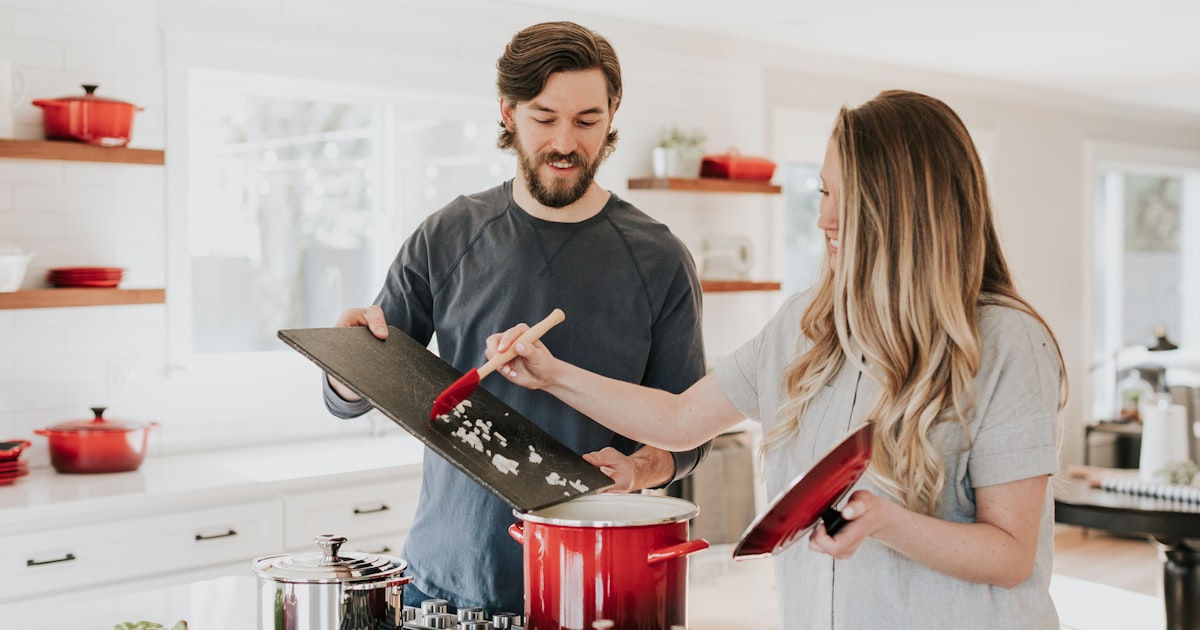
If you’re new to the kitchen, a personalized book for learning to cook can be a much better teacher than a generic cookbook. The best beginner-friendly books don’t just hand you recipes; they match your skill level, dietary needs, time constraints, and favorite foods so you can actually practice without getting overwhelmed.
Cooking is one of those skills that improves fastest when the advice fits your reality. A college student with a tiny kitchen needs different guidance than a parent trying to get dinner on the table in 30 minutes. A personalized learning plan can close that gap.
In this guide, I’ll show you how to use a personalized cooking book to build real kitchen confidence, what to look for in the content, and how to turn each chapter into a practical weekly routine.
Why a personalized book for learning to cook works better than a generic cookbook
Most beginner cookbooks assume a lot. They may explain techniques, but they rarely account for your schedule, equipment, or taste preferences. That’s where a personalized book for learning to cook is useful: it can focus on exactly what you need first.
For example, a good customized cooking guide might emphasize:
- How to read a recipe without missing steps
- Basic knife safety and prep workflow
- Simple pantry staples to keep on hand
- How to cook a few proteins and vegetables well
- Ways to adjust seasoning without guessing
- Meal ideas that fit your budget, family size, or diet
That kind of specificity saves time and reduces the “I ruined dinner, so maybe cooking isn’t for me” problem that stops many beginners early.
What to include in a personalized cooking learning plan
If you’re creating or using a tailored cooking book, make sure it answers the questions real beginners ask. The stronger the personalization, the more useful the book becomes.
1. Your current skill level
Be honest. If you’re starting from zero, the book should avoid assuming you know how to mince garlic, separate eggs, or tell when oil is hot. Beginners need simple explanations, not jargon.
2. Your goals
Cooking goals change the learning path. Someone who wants to eat healthier needs different recipes than someone who wants to entertain guests or save money.
Common goals include:
- Cooking more at home
- Meal prepping for the week
- Eating healthier
- Learning family-style dinners
- Cooking on a budget
- Building confidence with from-scratch meals
3. Your kitchen setup
You do not need a professional kitchen to learn well, but your guide should respect the tools you actually have. A personalized book can suggest recipes based on:
- Oven, stovetop, microwave, or air fryer access
- Number of burners
- Available storage space
- Basic equipment like a sheet pan, skillet, or blender
4. Dietary preferences and restrictions
Whether you’re vegetarian, gluten-free, halal, or just avoiding certain ingredients, the book should reflect that. Tailored suggestions make practice easier because you can use the meals you’d actually make again.
5. Time and attention span
Some people want 15-minute meals. Others are fine with a Sunday batch-cooking session. A good personalized book for learning to cook should match your available time so you can practice consistently.
How to use a personalized book for learning to cook week by week
The biggest mistake beginners make is trying to “learn cooking” all at once. That usually leads to a pile of random ingredients and a few half-used spices. A better approach is to treat your personalized book like a course.
Here’s a simple weekly rhythm that works well.
Week 1: Learn the basics of the kitchen
Start with the foundation:
- How to read a recipe start to finish
- How to prep ingredients before turning on the heat
- How to measure accurately
- How to keep your workspace clean
Pick one extremely simple recipe, like scrambled eggs, roasted vegetables, or rice. The goal is not perfection. The goal is to finish the dish without stress.
Week 2: Practice one technique
Choose a single technique and repeat it in different contexts. For example:
- Roasting: carrots, potatoes, broccoli
- Sautéing: onions, mushrooms, zucchini
- Boiling/simmering: pasta, rice, lentils
- Pan-cooking: chicken, tofu, fish
Repetition matters. One technique used three times teaches more than three separate “fancy” recipes.
Week 3: Build a full meal
At this stage, combine pieces into one dinner. A simple template works well:
- Protein
- Vegetable
- Carb or starch
- Simple sauce or seasoning
Example: baked chicken thighs, roasted broccoli, and rice with lemon butter. Or tofu stir-fry, frozen vegetables, and noodles with soy-garlic sauce.
Week 4: Repeat and adjust
Repeat the meals that worked and note what didn’t. Maybe the recipe was too salty, the vegetables overcooked, or the timing felt rushed. That feedback is valuable. A personalized book should encourage small adjustments rather than starting over every week.
A beginner-friendly cooking checklist
If you want your personalized book for learning to cook to lead to real progress, use this checklist alongside it:
- Read the entire recipe before starting
- Gather all ingredients first
- Check that you have the right pan or dish
- Prep ingredients before turning on the stove
- Taste and adjust seasoning near the end
- Write down what you’d change next time
- Save at least one recipe you’d cook again
That last step is important. The goal is not to make every meal new. The goal is to build a short list of reliable meals you can cook without stress.
What a good personalized cooking book should explain clearly
A lot of beginner frustration comes from missing context. The best tailored books explain not just what to do, but why it matters. That helps you adapt when ingredients or schedules change.
Look for explanations of:
- How salt changes flavor
- Why preheating matters
- How to avoid overcrowding a pan
- What “cook until golden” actually looks like
- How to use leftovers safely and creatively
If a recipe says “cook until done” without any visual cues, that’s not very helpful for a beginner. A personalized learning book should be specific enough to reduce guesswork.
How to choose recipes that teach, not just impress
When you’re learning, the prettiest recipe is not always the best one. You want dishes that teach useful skills you can reuse later.
Good practice recipes usually have one or two of these traits:
- Few ingredients
- Short ingredient list with familiar items
- Clear cooking times
- Repeatable technique
- Flexible substitutions
For example, a simple sheet-pan meal teaches chopping, seasoning, and timing. A soup teaches sautéing, simmering, and adjusting texture. A pasta dish teaches boiling, sauce-making, and seasoning balance.
If you’re using Pooks.ai, a personalized non-fiction book can be structured around your specific cooking goals, making it easier to focus on the skills that matter most to you instead of wading through unrelated recipes.
Common mistakes beginners make in the kitchen
Even with a good learning resource, beginners tend to run into the same problems. Knowing them in advance helps.
1. Trying too many new recipes at once
Stick to one new recipe at a time until it feels manageable.
2. Not reading the whole recipe first
This is how people discover halfway through that something needed to marinate overnight or that the oven should have been preheated 20 minutes ago.
3. Using too much heat
Many beginner mistakes come from turning the stove too high. Lower heat is often safer and easier to control.
4. Skipping seasoning
Food can be technically cooked and still taste flat. Learn to season gradually and taste as you go.
5. Giving up after one bad meal
Every home cook makes imperfect meals. That does not mean you’re bad at cooking. It means you’re learning.
How to make your learning stick
Cooking skills build through recall and repetition. Here are a few simple ways to retain what you learn:
- Keep a notes page for recipes you liked
- Write down substitutions that worked
- Take a photo of finished dishes for reference
- Reuse the same technique in multiple recipes
- Review your notes before grocery shopping
A personalized book for learning to cook becomes much more valuable when paired with a few personal notes. You’re not just reading; you’re building your own practical kitchen manual.
Example: a one-month beginner cooking plan
If you want a simple structure, try this:
- Week 1: eggs, toast, rice, and basic vegetables
- Week 2: one pan meal and one simple pasta dish
- Week 3: a soup or stew plus a roasted dinner
- Week 4: repeat your favorite meals and improve them
By the end of the month, you’ll have practiced prep, cooking, timing, seasoning, and cleanup. That’s a solid foundation for a beginner.
Final thoughts
A personalized book for learning to cook can make the difference between random trial-and-error and steady progress. When the lessons match your skill level, kitchen setup, diet, and goals, it becomes much easier to build confidence meal by meal.
Start small, repeat what works, and focus on a few core techniques before moving on to more complex recipes. If you want a tailored learning path rather than a generic cookbook, a customized guide can keep you focused on the meals and methods that matter most.
And if you’re exploring personalized non-fiction formats, Pooks.ai is one place to look for a book shaped around your specific cooking goals, rather than the other way around.